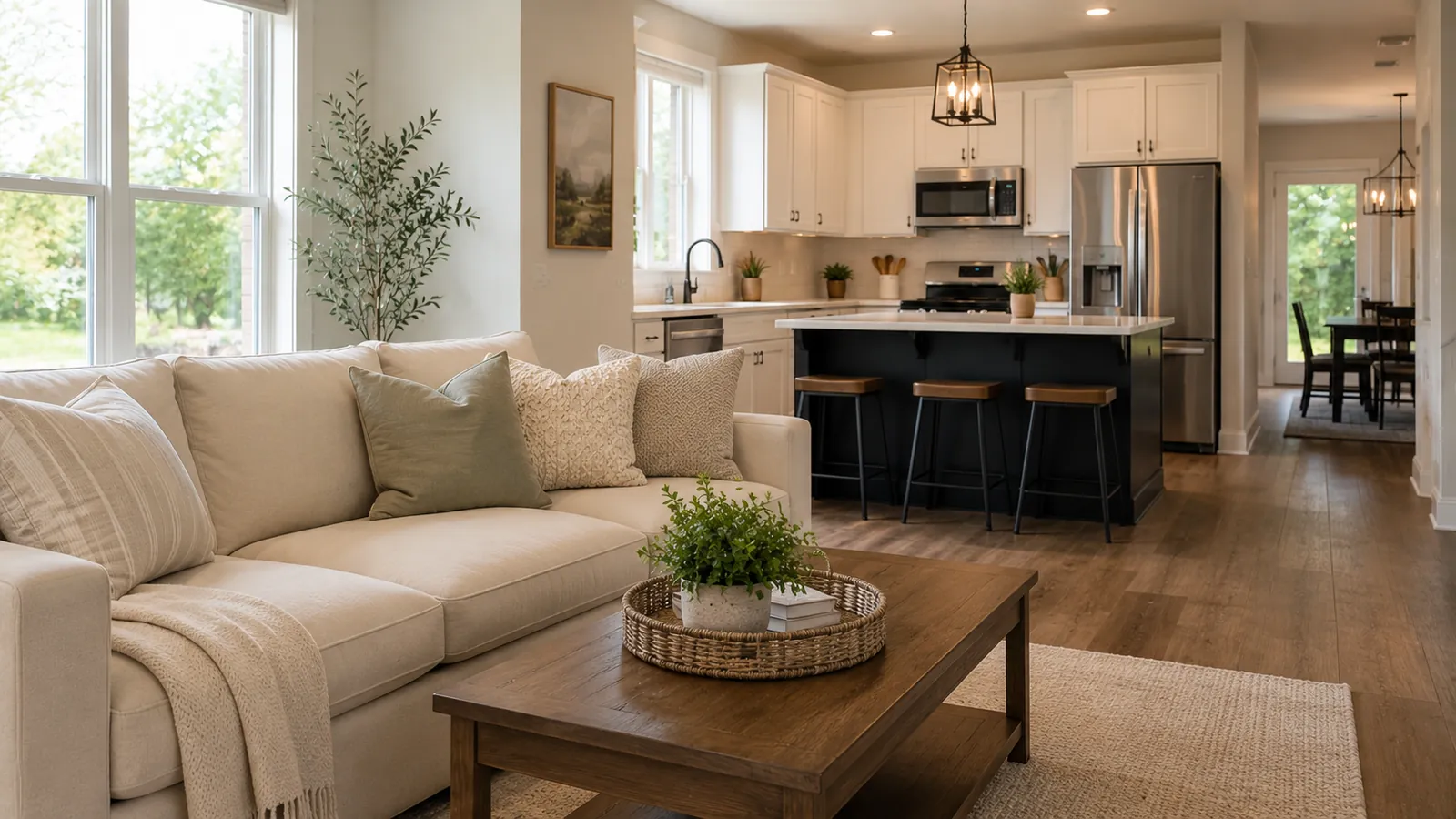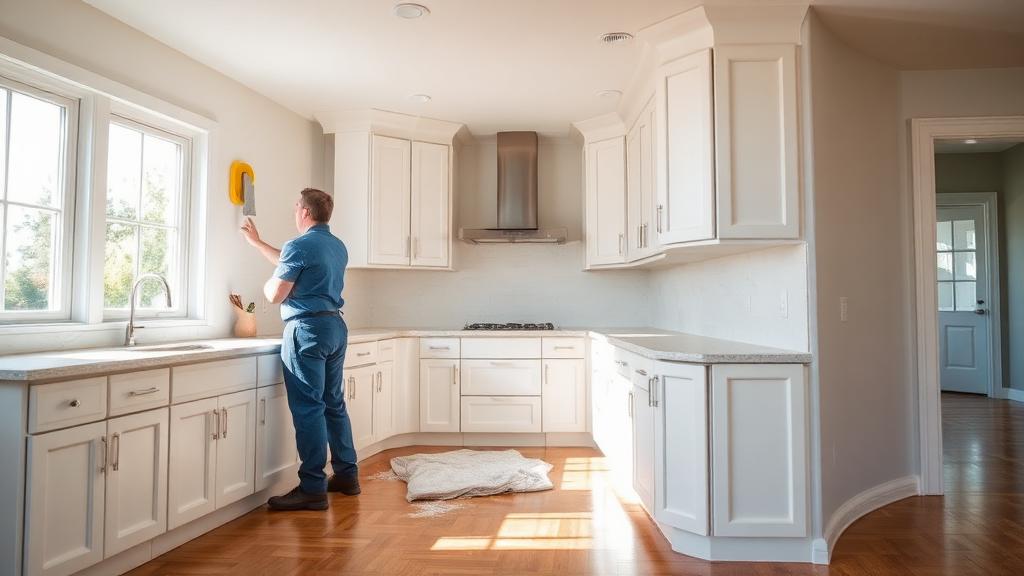
Congratulations on your new build or finished renovation! But before you pop the champagne, there's the small matter of construction dust, adhesive residue, paint drips, and debris that cover every surface. Post-construction cleaning is a specialized process that goes far beyond regular cleaning—here's how it's done.
Why Post-Construction Cleaning Is Different
Construction dust isn't like regular household dust. It contains fine particles from drywall, concrete, wood, and other materials that settle everywhere—inside cabinets, on top of door frames, inside light fixtures, and in your HVAC system. Regular cleaning methods won't cut it.
The Three Phases of Post-Construction Cleaning
Professional post-construction cleaning typically happens in three phases:
Phase 1: Rough Clean
Done immediately after major construction, while workers may still be on-site. Focuses on removing large debris, sweeping, and initial dust removal. This isn't the final clean—it's damage control.
Phase 2: Deep Clean
After all construction is complete but before move-in. This is the comprehensive cleaning that addresses every surface, appliance, and fixture.
Phase 3: Touch-Up Clean
Done right before or immediately after move-in. Addresses any dust that settled after Phase 2 and any marks from moving furniture in.
Complete Post-Construction Deep Clean Checklist
Initial Steps
- Remove all trash and construction debris
- Collect and dispose of any leftover materials
- Vacuum all surfaces with HEPA filter vacuum
- Dust all surfaces from top to bottom
- Clean HVAC vents and replace filters
Pro Tip: Always work from top to bottom, room by room. Dust falls, so starting high ensures you're not re-dirtying cleaned surfaces.
Walls and Ceilings
- Dust all walls with microfiber mop or duster
- Wipe away dust from ceiling fans and light fixtures
- Remove any paint drips or splatters
- Clean any marks or scuffs on walls
- Wipe down all door frames and trim
- Clean crown molding and baseboards
Windows and Glass
- Remove protective film if applicable
- Clean all window glass (interior and exterior)
- Clean window sills and tracks
- Remove sticker residue from new windows
- Clean mirrors
- Wipe down glass doors
Kitchen (New Appliances)
- Remove all protective films from appliances
- Clean inside new refrigerator
- Wipe down new oven inside and out
- Run dishwasher empty to remove manufacturing residue
- Clean inside all cabinets (construction dust settles inside!)
- Wipe down countertops
- Clean sink and new fixtures
- Clean backsplash tile and grout
Bathrooms (New Fixtures)
- Remove protective film from fixtures
- Clean new toilet thoroughly
- Clean tub/shower including grout
- Polish new faucets and fixtures
- Clean new vanity inside and out
- Clean mirrors
- Wipe down tile walls
- Clean exhaust fan
Floors
- Vacuum all floors with HEPA filter (multiple passes)
- Clean new hardwood per manufacturer instructions
- Scrub new tile floors and grout
- Clean new carpet (may need professional extraction)
- Remove any adhesive residue from flooring
- Clean floor vents
Removing Common Construction Residue
Sticker and Label Residue
New appliances, windows, and fixtures come with stickers. Use rubbing alcohol, Goo Gone, or cooking oil to remove adhesive residue. Test in an inconspicuous area first.
Paint Drips and Splatters
For fresh latex paint, warm soapy water works. For dried paint on hard surfaces, carefully scrape with a plastic scraper, then clean with appropriate solvent. On glass, use a razor blade at a 45-degree angle.
Grout Haze on Tile
New tile often has a cloudy "grout haze" residue. Use a grout haze remover product, or mix white vinegar and water (1:1). Scrub with a sponge, rinse, and buff dry.
Drywall Dust
Drywall dust is ultra-fine and gets everywhere. Use a HEPA vacuum (regular vacuums just redistribute it), then wipe surfaces with damp microfiber cloths. You may need multiple passes over several days as dust continues to settle.
Pro Tip: Change your HVAC filters frequently during post-construction cleaning—they'll clog faster with fine construction particles. Consider running air purifiers to help capture airborne dust.
DIY vs. Professional Post-Construction Cleaning
Post-construction cleaning is labor-intensive and specialized. Consider:
- DIY time: 20-40+ hours for a typical home
- Professional time: 6-12 hours with a team
- Professionals have HEPA vacuums and specialized tools
- Warranties: Some appliance/floor warranties require professional cleaning
- Health concerns: Construction dust can irritate lungs; pros have proper PPE
Ready to hand off the cleaning?
Family-operated, New Berlin-based and fully insured. The instant estimate shows a price range as you answer.
Get Instant Estimate