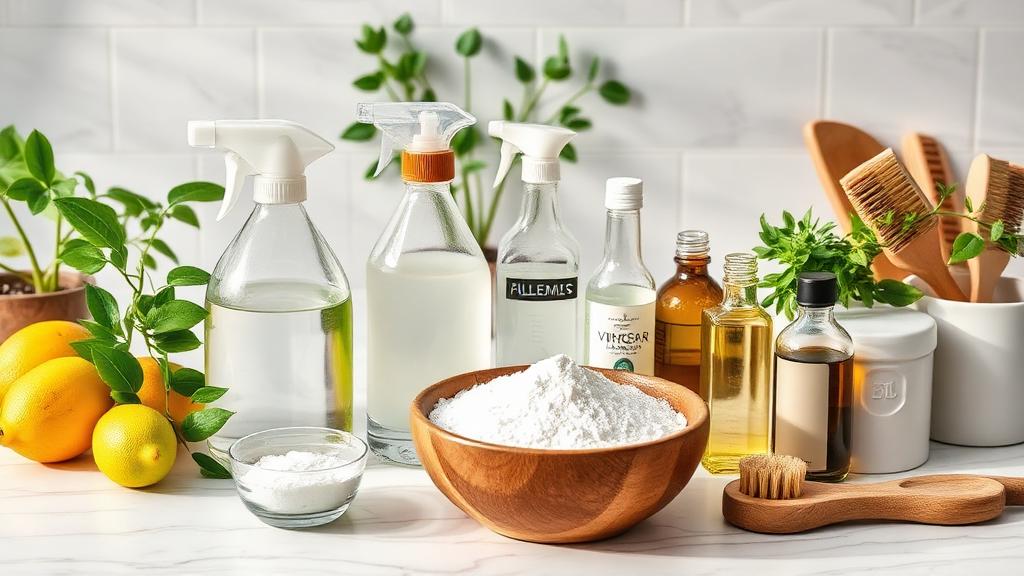
Concerned about the chemicals in conventional cleaning products? You're not alone. More Milwaukee families are switching to eco-friendly cleaning—and discovering that natural solutions can be just as effective as their chemical counterparts. Here's how to clean green without compromising results.
Why Choose Eco-Friendly Cleaning?
- Healthier indoor air quality (no harsh fumes)
- Safer for children and pets
- Gentler on skin and respiratory systems
- Better for the environment (waterways, wildlife)
- Often more economical than commercial products
- Reduced plastic packaging waste
The Essential Natural Cleaning Ingredients
With just a few staple ingredients, you can clean your entire home:
White Vinegar
The workhorse of natural cleaning. Acetic acid cuts through grease and dissolves mineral deposits. Use for: glass, countertops, floors, bathroom fixtures, and more.
Baking Soda
A gentle abrasive and natural deodorizer. Use for: scrubbing sinks, tubs, and ovens; freshening carpets and upholstery; removing odors from fridges and trash cans.
Castile Soap
A vegetable-based soap that's gentle yet effective. Use for: all-purpose cleaning, mopping floors, washing dishes, and even body care.
Lemon Juice
Natural antibacterial and great for cutting grease. Plus, it smells wonderful! Use for: garbage disposal freshening, microwave cleaning, and adding to homemade cleaners.
Essential Oils (Optional)
Add pleasant scents and some (like tea tree and lavender) have antimicrobial properties. Use 10-20 drops per cleaning solution.
Pro Tip: Buy white vinegar in gallon jugs and baking soda in bulk bags from restaurant supply stores. You'll save significantly compared to small containers.
DIY Natural Cleaner Recipes
All-Purpose Cleaner
- 1 cup water
- 1 cup white vinegar
- 20 drops essential oil (optional)
- Combine in spray bottle. Use on most hard surfaces.
- Note: Do NOT use on stone or marble (acid damages them)
Glass Cleaner
- 2 cups water
- 1/2 cup white vinegar
- 1/4 cup rubbing alcohol
- Spray on glass, wipe with newspaper or microfiber for streak-free shine
Scrubbing Paste
- 1/2 cup baking soda
- Enough liquid castile soap to make a paste
- Great for sinks, tubs, and stovetops
Wood Floor Cleaner
- 1 gallon warm water
- 1/4 cup white vinegar
- 1 tablespoon castile soap
- Mop with damp (not wet) mop
Toilet Bowl Cleaner
- Sprinkle baking soda around bowl
- Add 1 cup vinegar (it will fizz!)
- Let sit 10 minutes
- Scrub with brush and flush
Room-by-Room Green Cleaning Guide
Kitchen
- Countertops: Vinegar solution (not marble/granite!)
- Stovetop: Baking soda paste, scrub, wipe clean
- Microwave: Steam with lemon water, wipe clean
- Oven: Baking soda paste overnight, then vinegar spray
- Sink: Baking soda scrub, polish with lemon
Bathroom
- Toilet: Baking soda + vinegar fizz
- Shower/Tub: Baking soda scrub or vinegar spray
- Glass doors: Vinegar solution + squeegee
- Mirrors: Vinegar glass cleaner
Living Areas
- Dust: Microfiber cloths (no sprays needed!)
- Carpet freshener: Baking soda, leave 15 min, vacuum
- Wood furniture: Olive oil + lemon juice polish
- Floors: Vinegar and castile soap solution
What to Avoid Mixing
Some natural ingredients don't play well together:
- Vinegar + baking soda: Creates fun fizz but neutralizes both
- Vinegar + hydrogen peroxide: Creates peracetic acid (corrosive)
- Vinegar + castile soap: Soap curdles in acidic environment
- Any DIY cleaner + bleach: Never mix with chlorine bleach!
When Natural Isn't Enough
Be realistic—some cleaning jobs need more power:
- Heavy grease buildup may need commercial degreaser
- Mold outbreaks may require hydrogen peroxide or professional treatment
- Some stains (rust, certain dyes) need specialized products
- After illness, an EPA-registered product may be worth using
Pro Tip: If you need commercial products occasionally, look for EPA Safer Choice certified cleaners. They meet strict health and environmental standards.
Ready to hand off the cleaning?
Family-operated, New Berlin-based and fully insured. The instant estimate shows a price range as you answer.
Get Instant Estimate